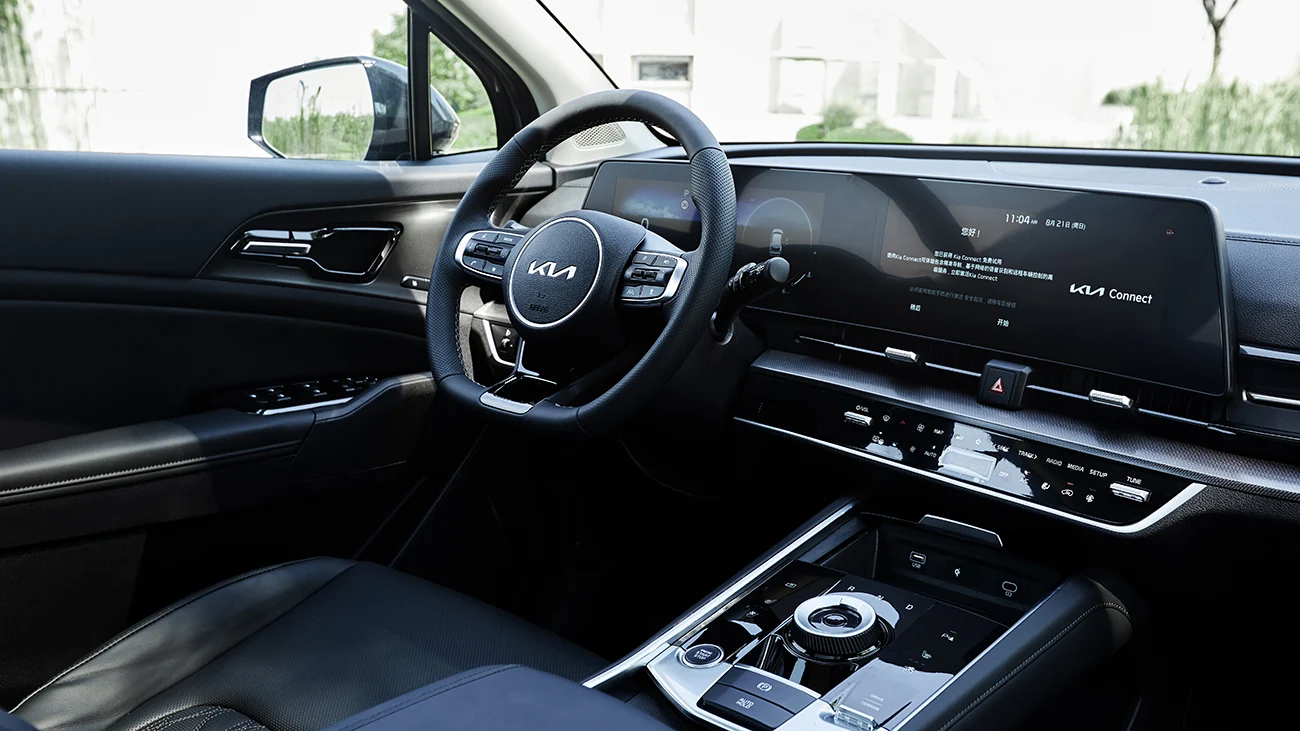
Identify the fitted assistance equipment
Request the original configuration and confirm what is installed on the selected vehicle. A generic Sportage feature list or a camera-shaped housing does not establish every function or the applicable repair requirements. Keep market, production details and equipment identity with the repair enquiry.
The equipment review separates original specification, later changes and demonstrated operation. This guide does not claim that every Sportage windscreen replacement requires the same procedure. The qualified repairer should use the correct technical guidance for the actual vehicle and work performed.
Ask why the glass was replaced
Request the known reason, repair date and available invoice. A routine glass claim and a replacement following wider damage need different supporting context. Do not infer a major accident solely from changed glass, but do not allow a glass invoice to conceal unresolved body or water-related concerns either.
Use the vehicle inspection record to connect the replacement with any relevant findings. Have a competent assessor determine whether further review is required. The buyer’s task is to obtain an accurate history and current-condition assessment, not to diagnose a repair from a windscreen marking alone.
Confirm the supplied glass application
Ask the repairer how the installed part was matched to the vehicle and its fitted functions. Retain the relevant component description and source where available. A broadly compatible glass quotation does not explain whether the complete application, attachments and related equipment were considered.
If the buyer requires a particular original-part status, state that requirement separately and request evidence. Do not assume a lower-cost proposal is unsuitable merely because it differs in price, or that an expensive part guarantees correct installation. Application, work quality and completed verification each need their own supporting record.
Obtain the applicable work and verification scope
Ask which installation, setup, calibration or other verification the qualified provider determined was required, and whether it was completed. Request a record tied to the vehicle and repair date. Avoid substituting a universal internet procedure for the manufacturer information and professional judgement applicable to the actual job.
If the documentation says no further procedure was required, ask the provider to explain its basis where this is material to the purchase. If work remains pending, keep it pending in the offer. An appointment or quotation is not a completed result and should not support a ready-for-delivery claim.
Keep demonstrations within proper limits
A display showing no warning is a useful observation, but it does not replace required completion evidence. Likewise, an ordinary driving demonstration cannot establish every assistance function in every operating condition. Request the provider’s documented outcome and limitations rather than inventing a dramatic test for a sales video.
Do not deliberately provoke collision-avoidance intervention or ask an unqualified person to adjust sensors. Driver-assistance functions have operating limits and do not replace the driver’s responsibilities. A buyer can request legitimate professional assessment without directing unsafe experiments or presenting one successful demonstration as a safety guarantee.
Price unresolved work before acceptance
Where records are incomplete, ask a suitable provider to propose the next assessment and its cost. Keep the missing evidence distinct from a confirmed defect. A car may need documentation or a fresh professional review before the dealer can decide what preparation is necessary and how to describe it accurately.
The handover guide provides a place for the final repair and verification record. If work is agreed before release, assign the provider and completion evidence. A lower vehicle price should not be treated as a bargain until the buyer understands the remaining scope and can obtain appropriate support.
Include the repair requirement in the sourcing brief
Tell Panda the accepted Sportage versions, destination and whether a disclosed glass repair is acceptable subject to a satisfactory review. State any mandatory assistance functions and documentation requirements. New stock with a disclosed repair also needs an accurate account of the completed work; new status does not replace it.
If the glass, related equipment or vehicle changes after the first review, ask which checks need repeating. Retain the final result for the selected car, with unresolved items assigned explicitly. The aim is a traceable condition decision, not a blanket rejection of every replaced windscreen or a guarantee based on a clean dashboard.