Begin with the original designation
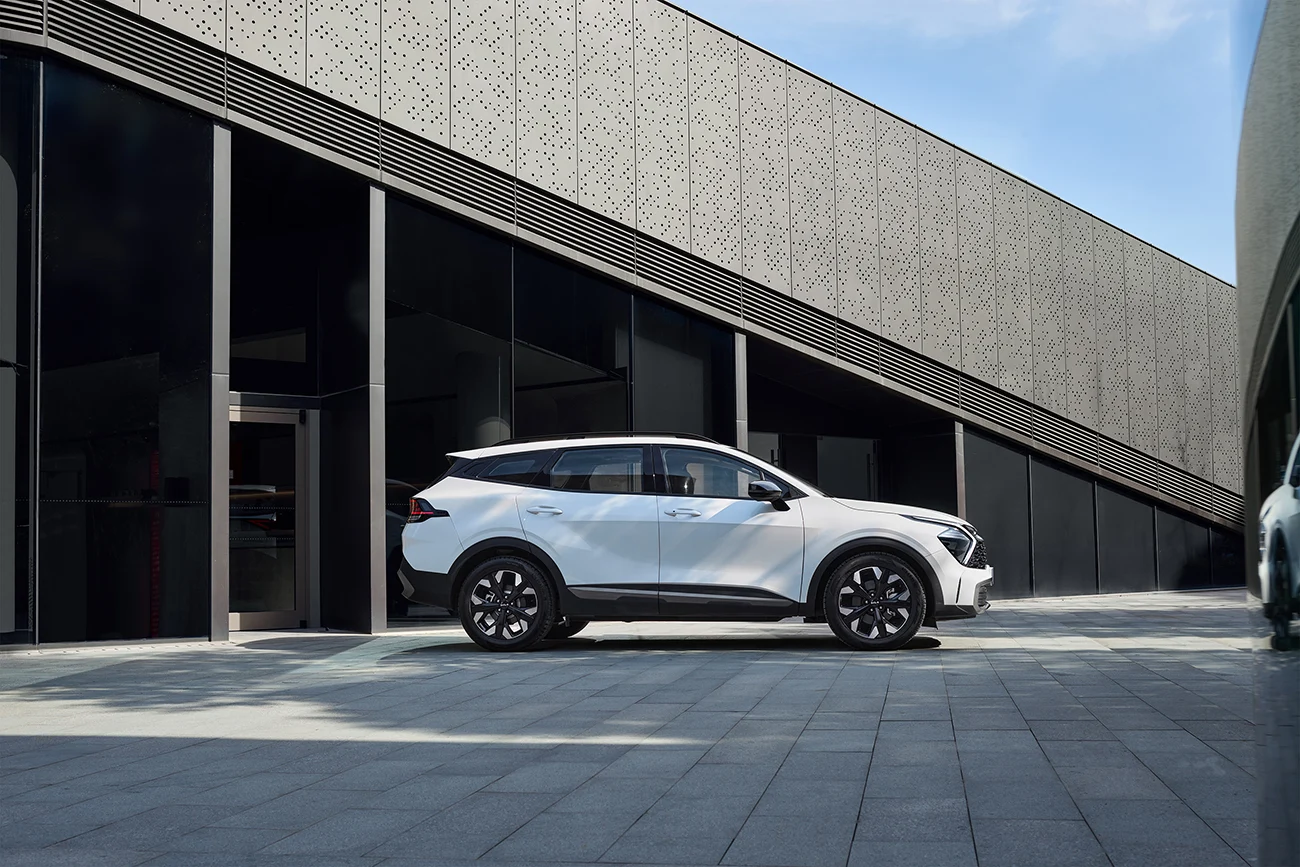
Kia China's November 2022 launch explicitly identifies Shibotuojie as the fifth-generation Sportage for China. Keep that relationship attached to its market context. It does not mean every older Kia SUV advertised under a translated Sportage description is the same body or build. Ask for the original vehicle designation before interpreting an abbreviated English listing.
A clear offer should retain the original name alongside a useful English explanation. If the seller proposes another model, show it as an alternative rather than silently mapping it to Shibotuojie. This matters when several generations or market names appear in one search. A familiar badge cannot resolve a disagreement between the advertised identity and the underlying vehicle records.
If the search includes earlier vehicles, the older Sportage buying checklist separates generation and naming questions from the condition and support of each used alternative.
Separate production, model year and registration
Record these dates individually. A model-year label can describe a marketing range, while first registration records another event in the car's life. The production date is a separate reference. A car registered later is not automatically a later specification, and a recent registration does not prove that the vehicle is unused.
The condition guide explains the evidence behind new and used descriptions. For any candidate, obtain readable identifying information and connect it with the dates in the offer. When entries appear inconsistent, request clarification. Do not select the newest date simply because it makes the advertisement sound more current or appears to justify a higher asking price.
Establish the market before using specifications
A Sportage brochure from another country can be accurate for that market and still be unsuitable as the specification for a China candidate. Engine, transmission, equipment and body details need matching records. Ask which original-market document supports the offered build and keep the evidence with the vehicle reference.
The turbo comparison and petrol and HEV guide cover separate mechanical questions. Avoid filling missing cells with a global specification table. An unresolved figure is a prompt for verification. A complete-looking table is not more useful if it combines facts from several markets into a vehicle that no supplier has actually identified.
For package-led searches, the X-Line package value review retains the original market and actual inclusions.
For a Hyundai alternative, the Sportage and Tucson comparison keeps original-market identities and actual systems separate.
For a Honda shortlist, the Sportage and CR-V comparison identifies the actual regional configuration before using brochure details.
Explain updates at vehicle level
Visible design changes and revised equipment ranges can help a customer understand why two offers differ. They should not replace identification. A later-looking screen, wheel design or exterior component may be a modification, while a factory update may involve details not obvious in a single photograph. Ask for the actual build and any known changes.
For equipment that matters to acceptance, use the feature record. Keep original specification, current installation and demonstrated function distinct. An image showing a desirable package on a reference car cannot establish that the proposed unit has the same package. Retain current photographs with enough identifying context to prevent evidence from different vehicles being mixed.
For a shortlist spanning the latest update, the 2026 and 2025 China Sportage comparison separates dated powertrain and equipment information.
The garage and door-access checklist ties dimensions and access assessment to the actual body rather than another regional reference.
Make broad sourcing useful rather than ambiguous
A request spanning several years can work well when it includes essential body, mechanical and condition requirements. State which differences are acceptable and which would make an offer unsuitable. Historical coverage does not establish that every earlier version is available new; that claim needs an actual proposal and appropriate records.
For example, a dealer may accept several production years while requiring a particular passenger function and an identified automatic transmission. Those criteria give the sourcing team a practical comparison basis. If a candidate falls outside them, explain the difference before treating it as shortlisted. Flexibility should expand the range of relevant offers without obscuring what the buyer requested.
Keep the accepted identity through the transaction
The chosen designation, dates, specification and condition should remain consistent in quotation, assessment and handover records. If a unit is replaced, create a new candidate record rather than attaching the former car's inspection to it. A stable reference helps the dealer's colleagues understand the proposal without reconstructing a long message history.
The batch guide applies that discipline across multiple cars. Before acceptance, check that the supporting evidence concerns the same vehicle and state any remaining uncertainty. Accurate identification is the basis for further review; it is not a guarantee of destination eligibility, mechanical health or the availability of an apparently similar vehicle in the same specification.
For remote sourcing, the remote purchase-file checklist connects media, records and final vehicle identity in one decision file.