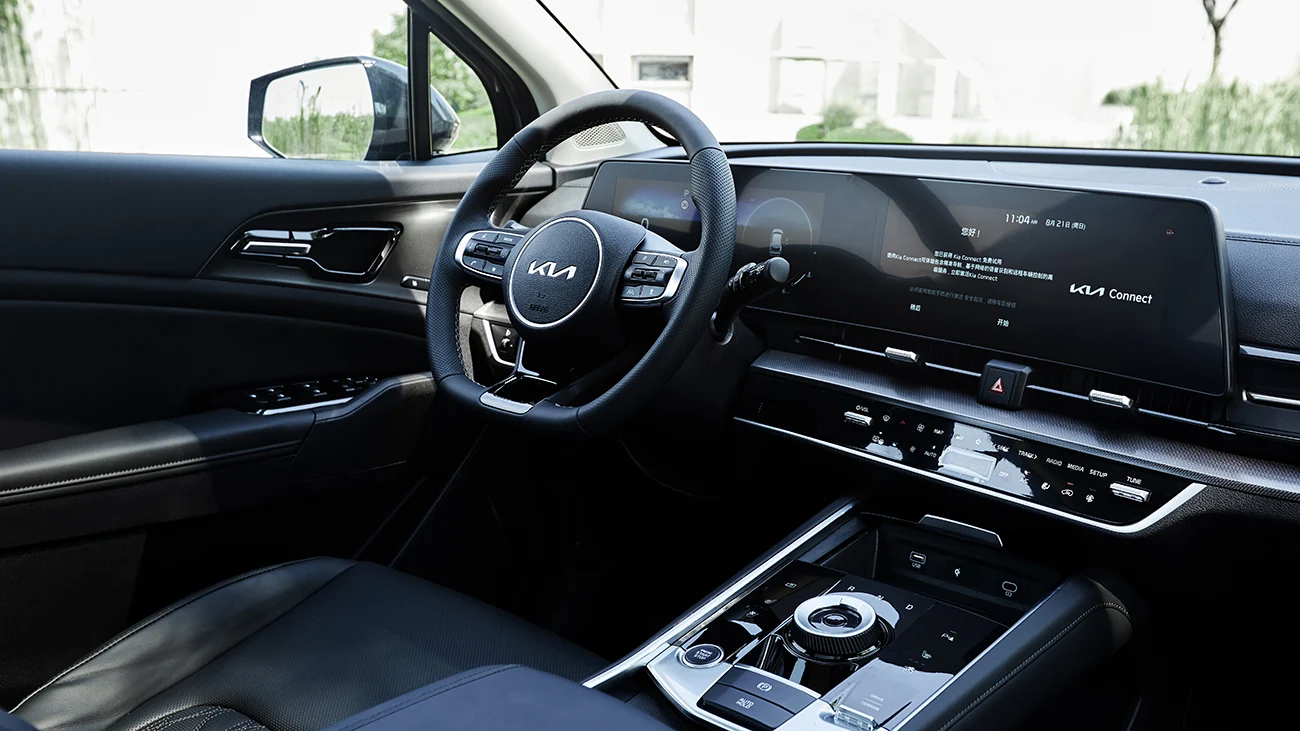
Identify the hybrid application
Kia China’s 2025 release includes a 2.0L HEV with six-speed automatic. Treat that as a dated application, not as a specification for every Sportage hybrid sold internationally. The report needs the actual vehicle identity and configuration before a buyer can judge whether its method or findings apply.
Use the HEV buying overview to separate the hybrid from petrol alternatives. Do not confuse the high-voltage traction battery with the vehicle’s auxiliary battery. An ordinary auxiliary-battery test may be useful maintenance evidence, but it does not establish the traction battery’s condition.
Ask what the report actually measures
Request the assessment date, vehicle identity, distance reading, assessor and method. Ask the provider to explain the reported values and the limits of its conclusion for that application. A screenshot bearing a percentage without its definition is insufficient to support a confident remaining-life claim.
Different tools or methods may report different information. Do not rank two cars using values that have not been shown to be comparable. Keep raw results and the qualified interpretation together, and ask what was assessed directly versus inferred from available operating data or diagnostic information.
Separate charge level from health
A dashboard charge indication describes an operating state and should not be presented as a complete health certificate. Ask the assessor what evidence supports the condition conclusion and which further checks are appropriate if the initial result is inconclusive. The buyer does not need to invent a universal pass percentage.
Likewise, a car completing a short drive without a visible warning does not establish every aspect of hybrid-system condition. Record the observation as one part of the inspection. Avoid promising a precise remaining battery life from a single visit; future use and unassessed conditions remain outside that limited evidence.
Keep diagnostic and repair history together
Request available hybrid-related reports, warning history and invoices for relevant work. The maintenance chronology helps connect the events to dates and mileage. Ask a qualified provider to interpret codes or past findings rather than treating a remote screenshot as an automatic diagnosis of a failed battery.
If a battery or related component was replaced, identify what was supplied and which work was completed. Obtain the post-work assessment and any written support terms. A replacement claim should not conceal an unresolved concern, and a missing invoice should not be upgraded into proof of a documented repair.
Include the complete vehicle assessment
The Sportage inspection guide covers the wider car. Body damage, water exposure concerns, unusual operation and other disclosed findings need suitable professional review alongside the hybrid report. A favourable battery-related result does not certify the engine, transmission, chassis or whole vehicle.
High-voltage inspection and repair belong with appropriately qualified personnel following the applicable procedures. Do not ask a supplier to open a battery for a sales video or use an improvised test. Request documented professional evidence and an explanation of unresolved items instead of directing unsafe diagnostic work remotely.
Price the support position honestly
If the assessment recommends more work, ask for the scope and responsible provider before comparing purchase values. A quoted battery assembly alone may not represent the complete job. Clarify labour, required completion procedures, availability and the verification that would close the finding.
Give the receiving workshop the identified application and report before assuming it can provide support. Any warranty claim requires confirmation from its named provider under the actual terms. Do not assign value to a generic hybrid warranty headline or present a seller’s informal assurance as a confirmed destination repair arrangement.
Define an acceptable report for sourcing
Tell Panda the destination, accepted HEV years, quantity and evidence required before acceptance. Specify that unresolved findings need an assigned next action. For example, one candidate may have a clearly explained assessment while another supplies only a charge-screen photograph; the second has an evidence gap, not an established equivalent result.
Keep the final report with the selected VIN and check whether later repair or a substituted vehicle requires fresh assessment. The useful buying conclusion states what was checked, what the findings mean and what remains unknown. It should not turn a limited technical report into a guarantee of future battery life.