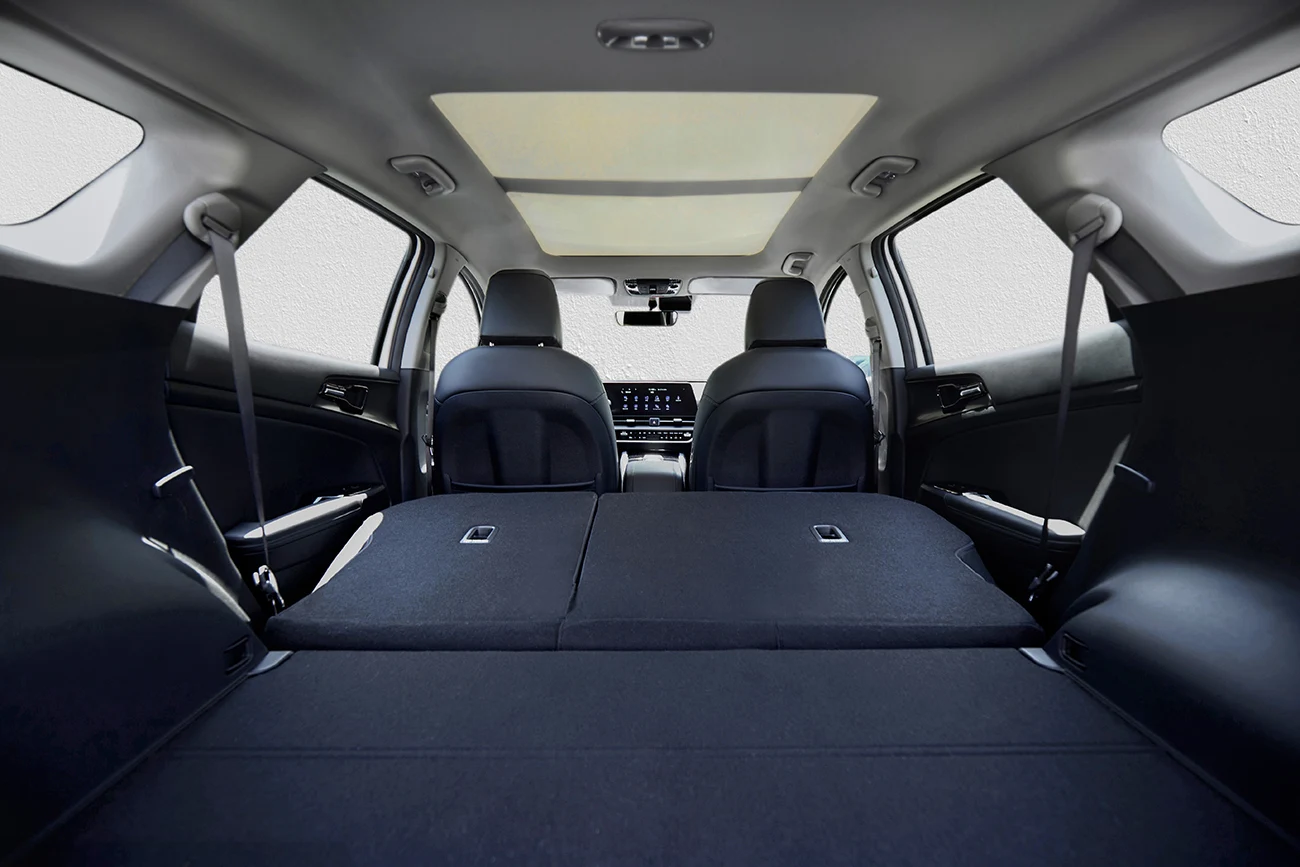
Keep the boot figure attached to its source
The 545-litre figure belongs to the dated China-market manufacturer descriptions. Do not combine it with a seats-folded figure from an unrelated regional brochure and present the result as one verified specification. Different equipment, layouts or measurement conventions can affect comparisons. Ask which source and arrangement support any number supplied for the individual candidate.
The China version guide helps establish the relevant vehicle before applying dimensions. For an older offer or a different market, request the appropriate specification rather than reusing the current figure. A brochure volume is a starting reference, not a guarantee that the dealer can carry a defined number of suitcases or any particular item without checking its dimensions and loading arrangement.
Measure the opening and the useful interior shape
Provide the dimensions of the largest items in the orientation they will be loaded. Ask for useful measurements of the opening, floor area and available height in the agreed configuration. Include obstructions such as wheel-arch trim, the loading lip and any accessory occupying space. A broad exterior photograph cannot explain whether a rigid item will pass through the tailgate opening.
Keep the measurement method visible, ideally with photographs identifying the points used. Rounded trim, a sloping tailgate and a removable cover can make a simple width-times-height estimate misleading. If an exact fit determines the purchase, arrange a practical loading check using the item or an accurately sized substitute. Do not force the tailgate closed to turn a marginal fit into a claimed successful demonstration.
Test a pushchair as it will actually travel
Record the folded pushchair dimensions and whether detachable parts normally travel separately. Ask the demonstrator to show the realistic setup rather than removing wheels or accessories the family intends to leave attached. Include any second bag, changing equipment or everyday shopping that normally shares the boot. The question is whether the routine works, not whether one empty pushchair can be placed somewhere in the vehicle.
Keep the passenger seats needed for the journey available throughout the check. If a seat must be folded, state which position is lost and whether that compromise is acceptable. The child-seat arrangement review matters when restraints prevent the proposed folding arrangement. Loading convenience and restraint compatibility should be assessed together without assuming that a maximum-cargo photograph represents ordinary family use.
Check the floor, folding mechanisms and supplied pieces
Ask which floor positions or removable components apply to the particular build. Record the cargo cover, floor panels and other agreed pieces that will accompany the car. If a seller removes an item to demonstrate more space, clarify where it will be stored and whether the resulting arrangement follows the relevant vehicle guidance. Loose equipment should not be treated as harmless simply because it fits inside.
For a used candidate, inspect accessible latches, trim and folding functions within the agreed scope. For new stock, confirm those items are present and operating at delivery. The equipment record distinguishes a feature being listed from its demonstrated operation. A larger empty cavity is not an improvement if it results from a missing panel or an undisclosed alteration that the customer would not accept.
Keep load limits separate from volume
Physical space does not establish the permitted mass of luggage. Passengers, accessories and cargo all need to be considered using the applicable vehicle information. Ask the responsible provider to clarify the limits for the actual car if weight matters to the customer’s use. Do not infer payload from boot litres or assume folding the rear seats increases the permitted load.
Use the correct instructions for securing items and preserving necessary visibility. If the buyer proposes a roof accessory or another carrying system, obtain its separate suitability and limit information rather than adding an unsupported capacity claim to the boot figure. This guide helps define a purchase assessment; it does not provide a universal loading approval for every Sportage, accessory combination or destination.
Compare two offers using the same packing task
Give both suppliers the same item dimensions and passenger requirements. Record what fitted, which setup was used and what remained untested. The Sportage versus Seltos comparison can use that evidence when a dealer is considering a smaller alternative. A lower published volume does not automatically rule out the actual luggage task, and a larger figure does not prove a better loading opening.
Send Panda the normal occupant count, largest item dimensions, need for a pushchair and any mandatory cargo accessories. Retain the accepted arrangement with the vehicle file. If the shortlist changes to another body or powertrain version, confirm the relevant layout again. The receiving dealer can then explain a demonstrated practical fit instead of relying on a maximum-volume claim that the customer may interpret differently.