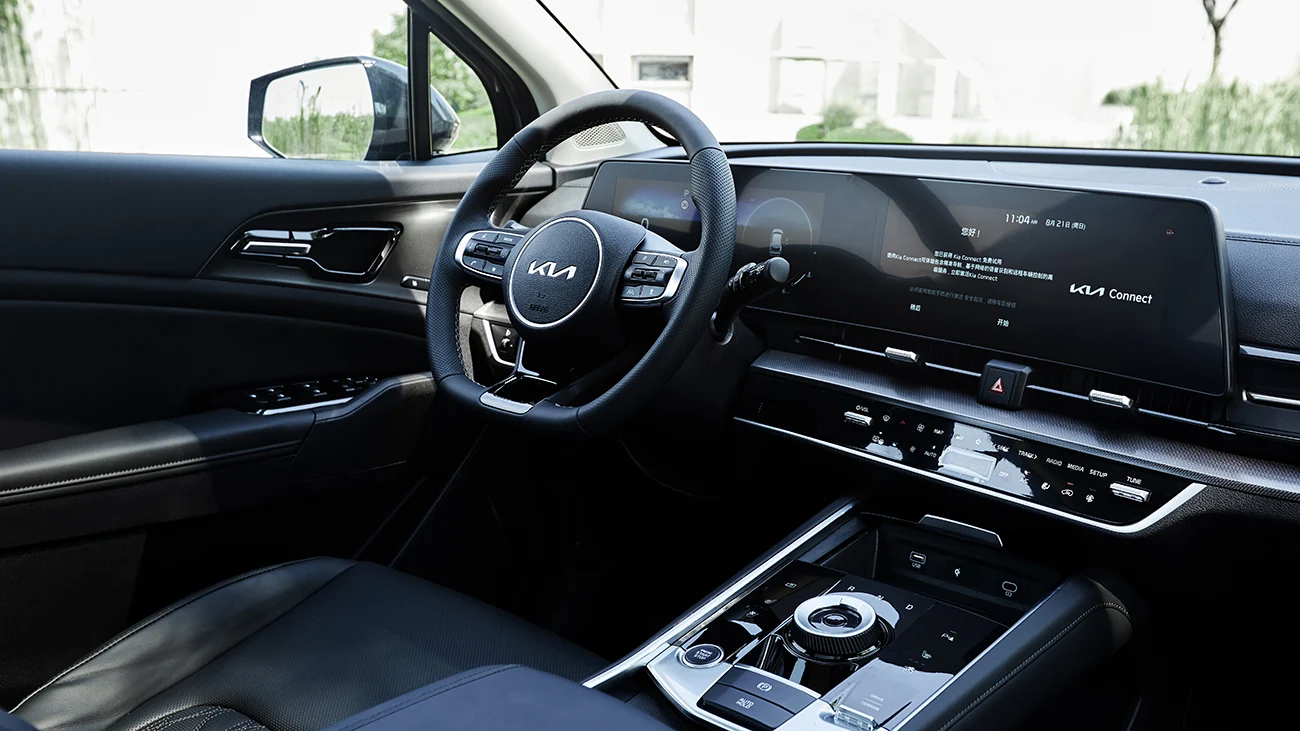
How many seats does a Kia Sportage have?
Kia’s US Sportage specification page explicitly lists five-passenger seating. That is a useful answer to the general seat-count question, not a substitute for a China candidate’s own configuration and registration evidence. Confirm the actual seating arrangement and required equipment before accepting an offer; do not interpret a folded-seat cargo image as additional passenger accommodation.
Confirm the original market and vehicle description before applying a brochure dimension. Sportage references from another period or market may describe a different configuration. A photograph of a current cabin cannot establish the layout of an older candidate. Start with the identity record and request current images linked to the proposed car.
State any physical constraint that matters to the customer, such as an access or loading requirement. If a published dimension is needed, obtain the relevant source for the actual build. Do not combine figures from unrelated brochures into one apparently precise specification. A useful space review should make the offered vehicle easier to understand rather than conceal its identity behind a generic number.
For a family using restraints, the Sportage child-seat fit checklist reviews the actual seating arrangement rather than assuming five seats means three child restraints will fit across the rear bench.
Set a repeatable passenger arrangement
Explain the usual seating positions and ask for observations with the front seats set to an identified, ordinary position. Rear-space images can otherwise be difficult to compare: one supplier may move the front seats unusually far forward while another shows a normal driving setup. The same car can appear very different depending on that arrangement.
Include entry and exit, foot space and the comfort functions the customer expects. The equipment guide helps separate a feature being fitted from its current operation. If an adjustment or rear passenger function is essential, name it in the brief rather than expecting a higher trim label to communicate the requirement automatically.
For a driver-position constraint, the tall-driver fit assessment retains actual adjustment and the space left for other occupants.
For regular adult trips, the adult rear-journey review fixes front positions and distinguishes short observations from sustained comfort.
Describe the actual loading task
Ask about the luggage opening, floor shape, seat configuration and items occupying space. A published volume is not a promise that a particular case or piece of equipment fits through the opening. Provide the item's dimensions where necessary and agree a practical check. Keep the passenger arrangement used for that check visible.
A photograph with the rear seats folded shows a different use case from a vehicle carrying passengers in those positions. Do not use the maximum-load arrangement to imply equivalent space with every seat occupied. The supplier should show the configuration the customer intends to use, or explain what remains to be checked before the dealer can make that claim.
Kia China’s April 2025 release quotes 545 litres of luggage space; its March 2026 update repeats that figure. Use it within the dated model context, then apply the luggage and pushchair fit guide to the actual items and occupied seats. A published volume does not establish loading-opening dimensions or permitted load mass.
Review daily controls and comfort features
Climate controls, seat functions, storage access and relevant charging or media features may shape the customer's experience more than a decorative detail. Make a short list of essentials and ask for suitable demonstrations. A visible socket or selected temperature is not the same as a completed functional assessment of the relevant system.
For online or phone-dependent functions, identify the installed system and any regional limitation. Do not assume a screen demonstration confirms that every service will work after export. A useful cabin record states what was shown and under which conditions. It leaves unconfirmed functions open instead of turning an attractive interior image into a blanket technology promise.
For parking at home, the garage and door-access checklist includes entrance, mirrors, door access and loading movement.
For demanding climate use, the hot-weather cabin review retains relevant settings, passengers and observation conditions.
Include condition where passengers and luggage interact
For a used candidate, review seat surfaces, floor areas, folding mechanisms and luggage trim within the agreed inspection scope. Marks, odours or dampness should be described as observations needing context, not diagnosed from one photograph. The inspection guide connects those findings with the wider assessment.
For a new proposal, record visible damage or unfinished delivery preparation before acceptance. If corrective work is agreed, specify the task and recheck. The receiving dealer should know whether an issue was disclosed and accepted, addressed under the purchase scope or left unresolved. A broad excellent-cabin description is less useful than a clear record of the areas the customer will actually use.
Turn space priorities into an acceptance note
Keep essential passenger and luggage requirements with the candidate record, supported by the relevant observations. If a compromise is accepted, state it plainly. For several cars, apply the same practical criteria individually. The batch guide explains why a shared model name does not establish identical equipment or condition across an order.
For example, a family buyer may need rear passengers and bulky luggage at the same time. A folded-seat promotional image cannot answer that requirement. Request evidence of the intended arrangement and review access as well as capacity. The dealer can then compare candidates fairly and explain the chosen vehicle using an actual use case rather than a maximum figure taken out of context.
For company journeys, the business and airport-use assessment combines adult access and bags in the same accepted use brief.
The Sportage and CR-V comparison compares the same passenger task rather than declaring a family winner from external size.