State the use that needs to be supported
Ask about regular passengers, journey duration and parking exposure that the customer considers important. A short solo trip differs from a full car after outdoor parking. Specify the seating areas and controls that matter, without inventing a universal test threshold. The family arrangement guide helps keep the use concrete.
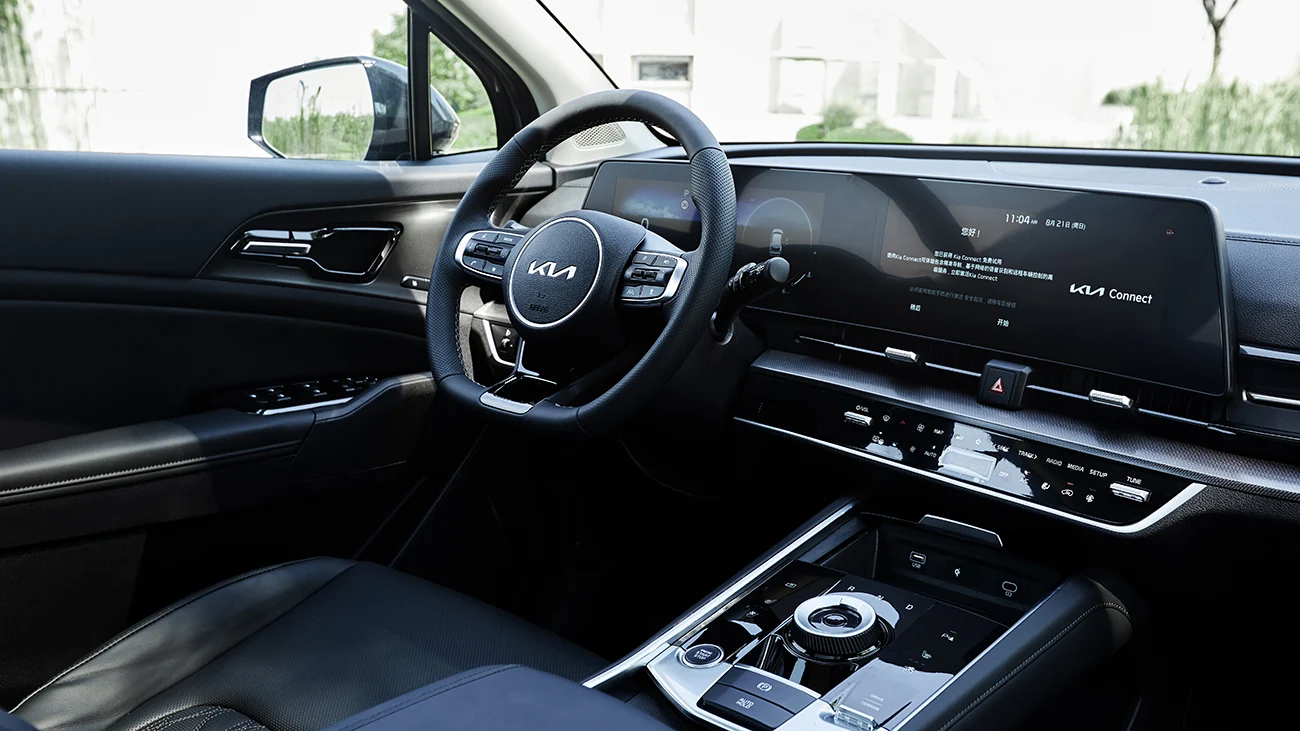
Confirm the actual installed climate-control layout. Rear outlets, zones or automatic functions should not be assumed from a reference photograph. A customer may value straightforward working controls more than a package label. Separate the useful requirement from optional seat temperature functions or glass features so the buyer knows which evidence addresses which benefit.
Request an observation with useful conditions
Ask a competent provider to record relevant ambient context, initial cabin condition, settings and observation duration. Retain any reported warnings, airflow issue or unusual behaviour. A demonstration should follow suitable ordinary operation and appropriate instructions rather than an improvised method designed to produce a favourable message video.
The inspection framework explains why scope matters. Describe the observed result and what was not assessed. Do not diagnose a system from one unqualified measurement or interpret a selected temperature as actual cooling performance. A remote clip can show controls and a limited operation while leaving broader passenger comfort or technical questions unresolved.
Get a supported remedy for reported symptoms
If poor cooling, inconsistent flow, odour or unusual noise is reported, seek suitable assessment before pricing work. Do not assume a top-up or filter is the cause-specific remedy. Ask the provider for findings, proposed scope and relevant completion checks. An inexpensive generic service may leave the original concern unanswered.
The maintenance and preparation budget separates confirmed work from future assumptions. For used vehicles, retain relevant service and repair records. For new proposals, include operation and delivery condition rather than treating unused status as a completed check. A promised remedy remains pending until the agreed evidence supports completion.
Review optional comfort features separately
The seat-function review evaluates the actual installed benefit and operation. It should not replace cabin climate-control assessment. Similarly, roof and shade preference may affect the customer's experience without proving a universal cooling result. Keep each feature's evidence specific instead of declaring one trim the hot-weather winner from its option count.
Compare preparation and support on identified candidates. Ask receiving providers about any assessed work and price a completed scope. A higher-trim car with unresolved basic operation has not earned every comfort premium. Another candidate may meet essentials with fewer options. Avoid guarantees about future cooling reliability or costs that the available observations cannot establish.
Retain the basis of the dealer's description
Keep the fitted controls, seating arrangement, conditions and findings with the candidate. If full-passenger use was not observed, do not imply the test covered it. The dealer can communicate a defined result and request another assessment without turning the evidence into a promise of perfect destination performance.
For several vehicles, repeat the relevant checks. Matching control panels do not prove matching condition. A substitute may need a fresh climate-control review even when the nominal specification is the same. The accepted file should identify completed preparation and remaining limits, allowing the customer to compare a supported whole-cabin proposition rather than the coldest-looking dashboard image.
A full-passenger summer brief
Suppose the buyer requires routine adult trips in hot weather and receives only a brief front-seat demonstration. Request the relevant arrangement and provider-defined observations, noting the conditions. Do not dismiss the existing clip; retain it as a limited result and identify the unanswered part of the request.
If a fault is assessed, obtain a supported remedy and compare the completed amount with another suitable candidate. The buyer may accept a defined limitation or require a different car. Record that decision rather than assuming an option premium settles it. This makes the enquiry useful without predicting identical comfort for every passenger, trip length or climate at the receiving location.
Purchase decision notes
| What the evidence shows | How to proceed |
|---|---|
| Screen shows a cold setting | Separate the selected control position from an appropriate observed performance result. |
| A symptom has no supported cause | Request qualified assessment and a finished remedy scope before treating preparation as complete. |
| Rear occupants are essential | Retain the relevant arrangement and state the limits of a front-only demonstration. |
Keep these acceptance records
- Specify the actual passengers, parking exposure and journey need, with installed controls identified so a generic hot-weather request becomes a concrete supported-use question.
- Keep ambient context, initial state, settings and provider-defined observation in the record, distinguishing selected temperature from measured result and any broader comfort question.
- Attach qualified cause and completed remedy evidence for reported symptoms, leaving unsupported top-up or other generic work outside the confirmed preparation status.
- Retain the seating areas assessed and untested limitations per candidate, keeping optional seat functions separate and avoiding future climate-performance guarantees from one clip.
Questions before choosing
Can seat ventilation prove cabin cooling?
No. They are distinct fitted functions and need their own useful evidence.
Does a short clip guarantee hot-weather comfort?
No. It documents an observation under stated conditions, not every future use or passenger experience.