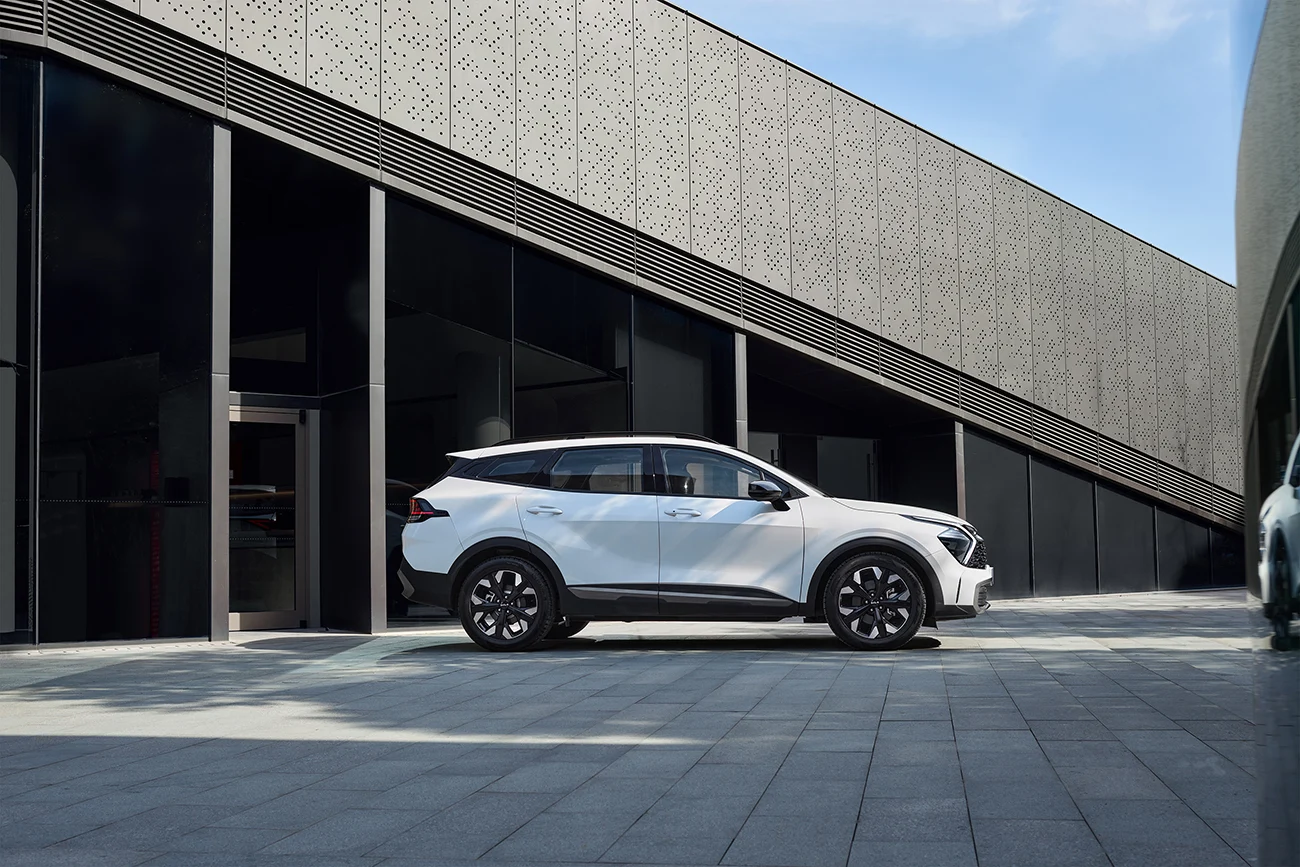
Identify what the seller means by an older Sportage
Ask for the original-market designation, readable vehicle identifier and the production and registration records available for the car. Translated advertisements can shorten or combine names in ways that obscure the actual model. Kia China’s November 2022 launch identifies Shibotuojie as the fifth-generation Sportage there; that relationship should not be applied automatically to every older Kia SUV offered under an English Sportage label.
Use the China naming and identity guide to resolve the description. If a seller proposes a different generation or nameplate, keep it as an explicitly identified alternative. Do not advertise it with photographs of a later Shibotuojie. A familiar grille, replacement badge or newer multimedia screen cannot establish that the body and mechanical specification match the model the buyer originally requested.
Separate age from the update being advertised
Production date, official model-year description and first registration can describe different events. Record all three where evidence exists instead of selecting the newest date as the vehicle’s sole identity. An older car registered later does not automatically gain a newer generation’s structure, engine or driver-assistance equipment. The distinction becomes especially important when a dealer compares offers around a regional model change.
For recent China candidates, the 2026 versus 2025 comparison addresses a defined update. It does not supply a universal timeline for every earlier market. Ask the supplier to explain any advertised facelift or conversion, including which parts were changed. A cosmetic alteration should remain a disclosed modification rather than becoming evidence of a later production specification.
Make the required features explicit
List the features that determine suitability before reviewing asking prices. Automatic transmission, driven wheels, passenger access, climate operation and phone functions may matter more than an appearance package. Older candidates can be worth considering when they meet those needs, but the buyer should not assume that every generation shares the equipment described on a current Kia website.
Separate mandatory functions from preferences that can be discussed. The equipment checklist distinguishes original specification, later installation and tested operation. If a feature relies on a retrofit, identify its hardware and support. A successful screen demonstration does not establish every connected service after export, and an accessory installation should not be described as a factory feature unless the records support that claim.
Review history and current condition as different evidence
Build a chronological record of service, distance readings and disclosed repairs. Keep the units and the vehicle identifier attached to each entry. Missing history is a limitation to investigate; it is not automatic proof of a specific failure. Conversely, numerous invoices cannot establish the present condition of a vehicle that has been used or stored since the work was completed.
Arrange an inspection appropriate to the actual engine, gearbox and drive system. Ask for body findings, mechanical observations, diagnostics and relevant road-test limitations. The service-history review helps connect the two evidence sets. If a component has been replaced, clarify what was supplied and how its operation was verified rather than assuming a replacement claim removes all future assessment needs.
Check whether support changes the apparent saving
Give the intended receiving workshop the exact build and any known repair requirements. Ask whether suitable parts, technical information and diagnostic support can be obtained for that application. Do not assume every component is interchangeable with a later Sportage or locally sold Kia because the vehicles share a manufacturer or a broadly similar engine description.
Request complete estimates for diagnosed work and keep unresolved investigation separate. The maintenance-cost guide prevents the vehicle price from becoming the entire ownership comparison. A lower asking price may remain attractive after preparation, or the missing support and work may remove the advantage. Base that conclusion on the individual proposal, not a universal claim that older cars are always cheaper to own or always expensive to maintain.
Choose a documented alternative, not just an older date
Accept an older candidate when its verified configuration, assessed condition and total purchase scope meet the customer requirement. If the customer specifically needs the newer Shibotuojie body or a documented feature it offers, do not substitute an older vehicle merely to meet a budget headline. Present the difference and let the buyer assess a concrete alternative with its own evidence.
Tell Panda the accepted generations if known, approximate year range, condition requirement and destination. Earlier models should be discussed through actual used offers; any historical version proposed as new needs separate production, registration and delivery evidence. Retain the accepted identity and compromises in the quotation and handover file so the receiving dealer can describe the car accurately without relying on ambiguous translated advertising.