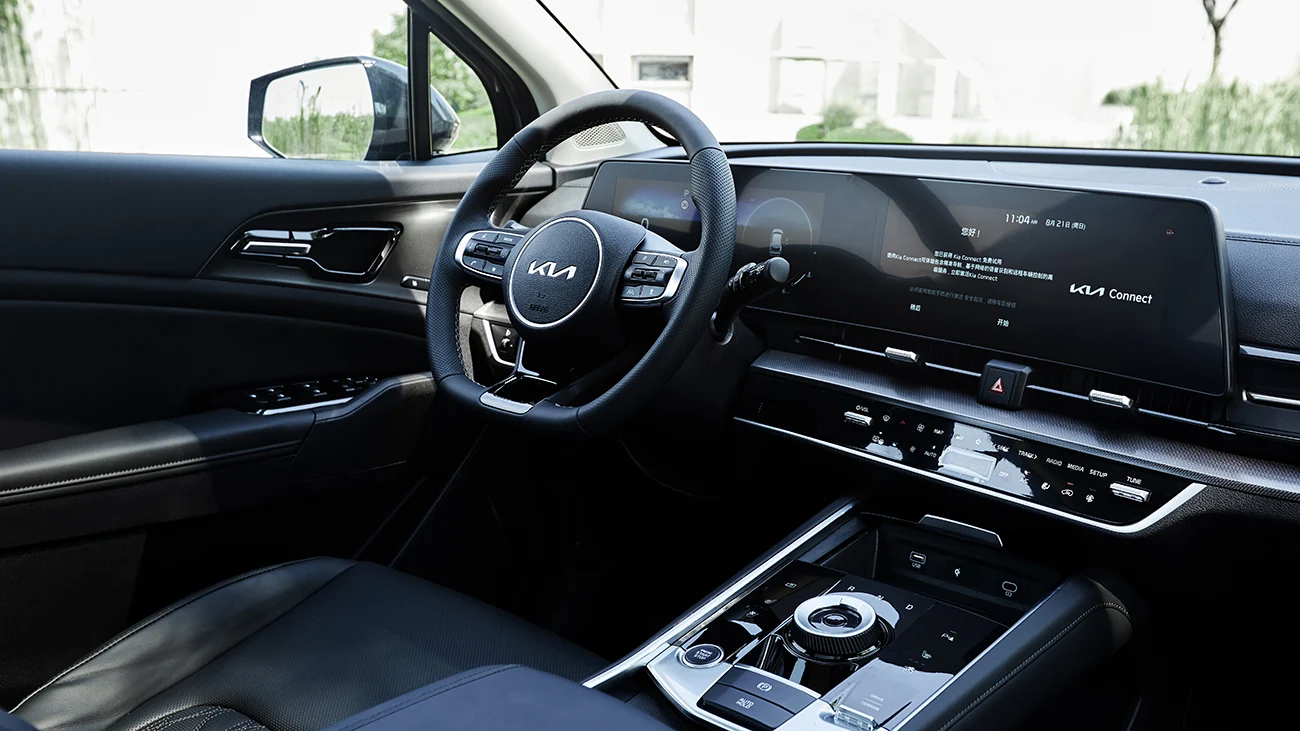
Define the driving position requirement
Ask which aspects of the customer's previous car caused difficulty: headroom, leg position, control reach or access. Height alone does not describe every person's proportions or needs. The whole passenger arrangement guide keeps the driver alongside the remaining occupants and luggage rather than treating one favourable front-seat view as the complete answer.
Identify the actual seat, steering adjustment and roof arrangement. Different equipment and later replacements can affect the comparison. Do not assume every high trim provides the same usable adjustment. Write the required position and any known limitation into the brief so the supplier can request appropriate evidence rather than merely repeating a spacious cabin claim.
Observe the achieved position, not the controls alone
Where possible, have the intended driver assess the car using normal supported adjustment and safe stationary conditions. Record whether the required position is achieved and which observations remain subjective. A powered movement demonstration can confirm operation while leaving personal fit unconfirmed.
The seat-option value review separates adjustment from temperature functions and trim appearance. For remote comparison, request clear reference points and stated seat positions. Do not make a photograph look favourable by changing the posture or angle without recording it. The dealer should know whether the evidence concerns actual personal fit or only dimensions that help narrow the shortlist.
Include access and roof limitations
Assess entering and leaving as a distinct task. A person may sit acceptably yet find the doorway or movement awkward. If mobility requirements are relevant, an appropriate personal assessment is more useful than a general easy-entry label. Avoid turning one observer's experience into an assurance for all tall occupants.
Keep the actual roof and shade arrangement visible where it affects the customer's assessment. The roof verification guide concerns fitted equipment and condition; it does not establish headroom for a particular person. A desire for a panoramic roof and a mandatory fit requirement should remain independent. Reject or compare alternatives when the desired appearance conflicts with the essential driving position.
Check what the rear passenger receives
With the front seat set for the intended driver, review the required rear accommodation. The rear-adult journey review prevents the front seat being moved forward for a favourable rear photograph. Retain the same setting across both assessments, particularly when a customer needs regular four-adult use.
Ask which side and which occupants normally matter. A car can suit the tall driver for solo trips yet fail the full family arrangement. That is a use-specific result rather than evidence that the model is generally unsuitable. Keep child-restraint needs within their own applicable review instead of assuming adult space proves restraint compatibility or remaining passenger fit.
Compare candidates with a consistent setup
Apply the same driver requirement, front position and rear task to each identified offer. Where roof, seat or generation differs, explain the relevant supported change rather than assuming a newer car solves the fit question. An attractive optional function should not override a failed essential position.
For used vehicles, retain seat condition, disclosed work and any appropriate assessment. For new proposals, confirm the installed arrangement before accepting a reference-based description. A substitute vehicle with different seats needs a fresh review. The dealer should be able to explain the accepted position and any unconfirmed personal-fit question without promising guaranteed comfort on every journey.
One driver, two use patterns
A tall customer using the car mostly alone may accept a front position that leaves less rear room. The same customer travelling regularly with an adult behind needs the combined arrangement reviewed. Ask which use is essential before rejecting or selecting a candidate from one view.
If a supplier demonstrates front-seat movement but no person in the required position, retain the result as operation evidence only. Another candidate or a personal visit may still be necessary. Record the customer-approved compromise explicitly. This keeps a practical fit requirement from being diluted by trim labels and prevents an accepted solo arrangement becoming an unsupported claim about full-family comfort.
Purchase decision notes
| What the evidence shows | How to proceed |
|---|---|
| Front adjustment operates but fit is unknown | Retain operation evidence separately and seek the relevant personal or representative-position assessment. |
| Driver position reduces required rear space | Review the complete passenger task with that front position unchanged. |
| Roof or seat differs on a substitute | Repeat the affected fit check rather than carrying over the first candidate's conclusion. |
Keep these acceptance records
- Describe the actual position difficulty and intended occupants rather than height alone, with the offered seat, steering adjustment and roof arrangement connected to the candidate.
- Retain normal seat settings, useful reference measurements and any personal observation, distinguishing powered operation from whether the required occupant position was actually achieved.
- Assess the needed rear place with the accepted driver's position unchanged, identifying any child-restraint or other passenger question that requires its own review.
- Document access limitations and customer-approved compromises, revisiting fit when the candidate's seat or roof differs rather than inheriting a result from another Sportage.
Questions before choosing
Can vehicle height predict tall-driver suitability?
Not on its own. Actual seating position, roof arrangement, control reach and personal proportions matter.
Does electric adjustment guarantee a useful position?
No. Verify the achieved position and the customer's fit requirement separately from the powered function.