Keep the reference market and date visible
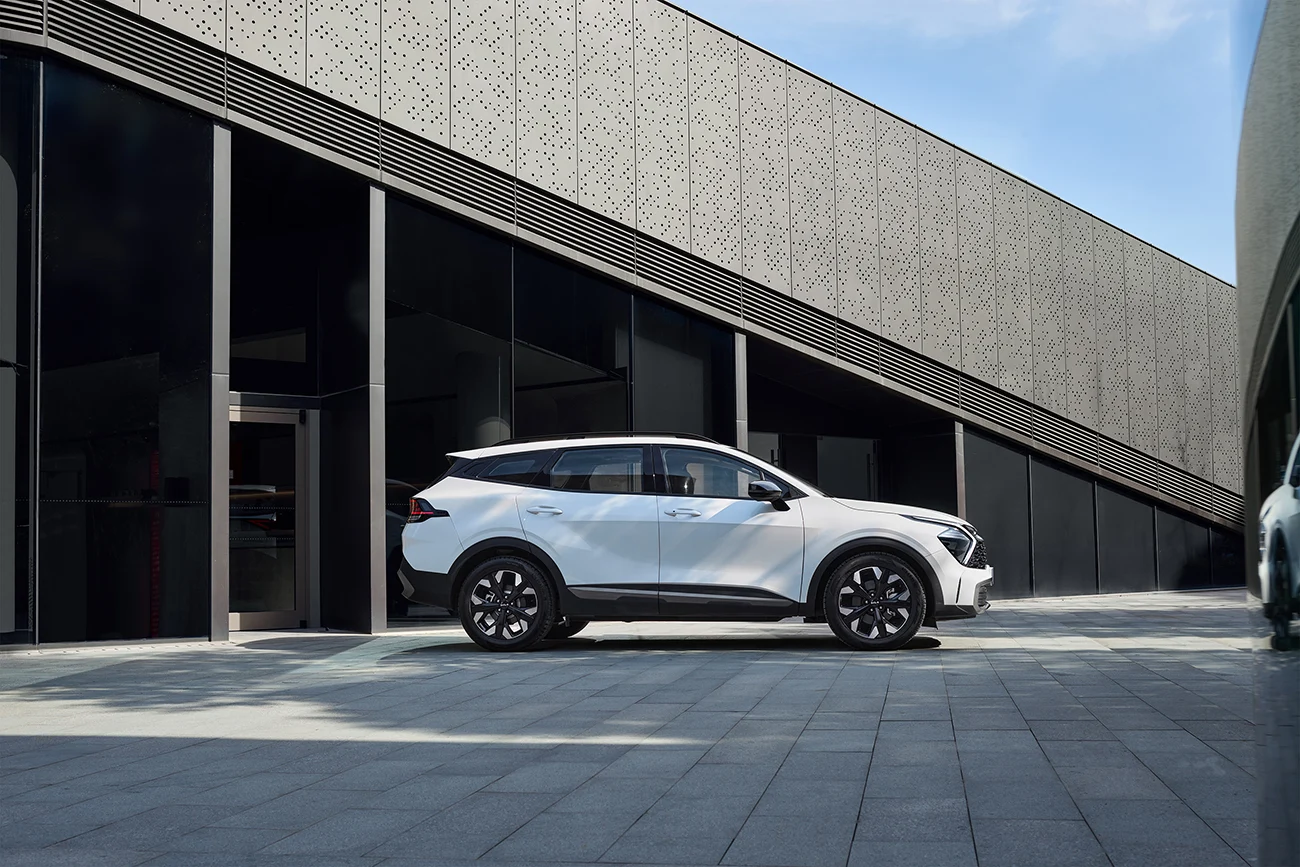
Kia China's 2022 launch listed 1.5T and 2.0T petrol versions with eight-speed automatic transmissions. That is a dated China-market reference, not a blanket description of every Sportage generation or future update. Confirm the proposed build rather than extending a historical launch specification to every vehicle with the same model name.
Use the identity guide to connect the engine description with production and market records. If a seller supplies a different specification, ask for the document supporting that candidate. A discrepancy may reflect another version or an inaccurate listing; it should be investigated rather than resolved by assuming either the newest brochure or the shortest advertisement must be correct.
When an offer is described mainly by its gearbox, the Sportage 6AT and 8AT comparison connects the transmission to the correct engine and hybrid status.
Describe why the buyer prefers one engine
Ask whether the customer has a specific mechanical requirement, a driving-use preference or an ownership-budget concern. State that reason in the enquiry. An engine-size preference can be mandatory, but a general desire for suitable everyday performance may allow several verified alternatives. The supplier needs to understand which kind of request is being made.
Do not promise a universal fuel-use result or future service cost from engine size alone. Published performance information has a defined vehicle and test context, while actual use varies. The comparison should identify the customer's priorities and the evidence available, not manufacture a precise ownership outcome that neither the car's records nor a responsible provider has established.
Compare equipment independently
A preferred engine does not establish the installed seats, parking functions, roof or media system. Build a separate list of essential features and check both candidates against it. Two cars can share an engine description while differing substantially in trim or modifications. Conversely, different engines may be paired with equipment that suits the customer equally well.
The equipment checklist separates original installation from current function. Request appropriate demonstrations for features that determine acceptance. A higher engine designation should not be used as shorthand for fully equipped, and a styling package should not be treated as proof that the car has every function shown on an unrelated manufacturer reference image.
Verify driven wheels as a separate decision
Ask for the documented drivetrain on each candidate. Do not assume that a 2.0T label always means all-wheel drive or that an SUV appearance establishes a specific traction system. The drivetrain guide explains how to keep the configuration, equipment and intended use distinct.
If the buyer requires all-wheel drive, place that requirement alongside the engine preference in the brief. An alternative should identify any difference explicitly. Confirm the actual system through appropriate build evidence and assessment where relevant. A badge, switch or sales phrase can prompt a check, but should not be the sole basis for a vehicle-level technical conclusion.
Review used-car condition on equal terms
For two used proposals, request comparable mechanical and history evidence. A more powerful original specification cannot establish that the installed engine is healthy today. Record what was assessed and which checks were unavailable. Diagnostic information, service entries and observed operation should remain connected to the specific car and interpreted within their limits.
The inspection guide helps turn findings into questions or agreed preparation. If work is proposed, define its scope and completion evidence. Do not describe an untested area as satisfactory merely because no fault was reported in a brief video. The buyer should be able to distinguish verified observations from assumptions before comparing the commercial offers.
Decide using the full offer
Once identity and condition are clear, compare price scope, agreed work, supplied items and handover responsibilities. Keep the engine preference visible without allowing it to hide an unacceptable missing feature or unresolved record. The quotation guide helps align those responsibilities so a headline price difference is not mistaken for a pure engine premium.
Consider a dealer comparing a documented 1.5T candidate with a 2.0T offer whose essential equipment is still unconfirmed. The next step is to resolve that equipment question, not automatically choose the larger engine. Record the final reasoning and accepted specification with the vehicle reference so the receiving team can explain what the buyer actually selected.