Put the driven-wheel requirement in writing
State whether a particular drivetrain is mandatory or whether verified alternatives are acceptable. Explain the use case that motivates the request without expecting the supplier to infer it from SUV wording. A buyer focused on ordinary passenger use may have different priorities from one with a specific operating requirement, but both need an identifiable configuration.
The engine comparison is a separate part of the brief. Do not combine a preferred engine and assumed drivetrain into one unverified description. If a supplier proposes a different configuration, ask for a separate comparison. The buyer should understand the difference before the alternative is treated as meeting the original request.
After confirming an AWD candidate, the used Sportage AWD inspection checklist defines the drivetrain evidence to request alongside tyre and maintenance records.
Request evidence for the actual build
Obtain relevant specification or build records connected to the vehicle reference. Ask an appropriate assessor to clarify the installed system where documents leave uncertainty. A visible badge or control can be one observation, but may not settle the full configuration, especially if components or exterior details have been changed during the car's life.
Use the identity review to keep market and production context attached. A foreign-market brochure should not fill a missing drivetrain field in a China offer. If the available evidence cannot establish the configuration, say so and request the appropriate next check. An unresolved field is preferable to an apparently complete but unsupported specification.
Distinguish configuration from capability claims
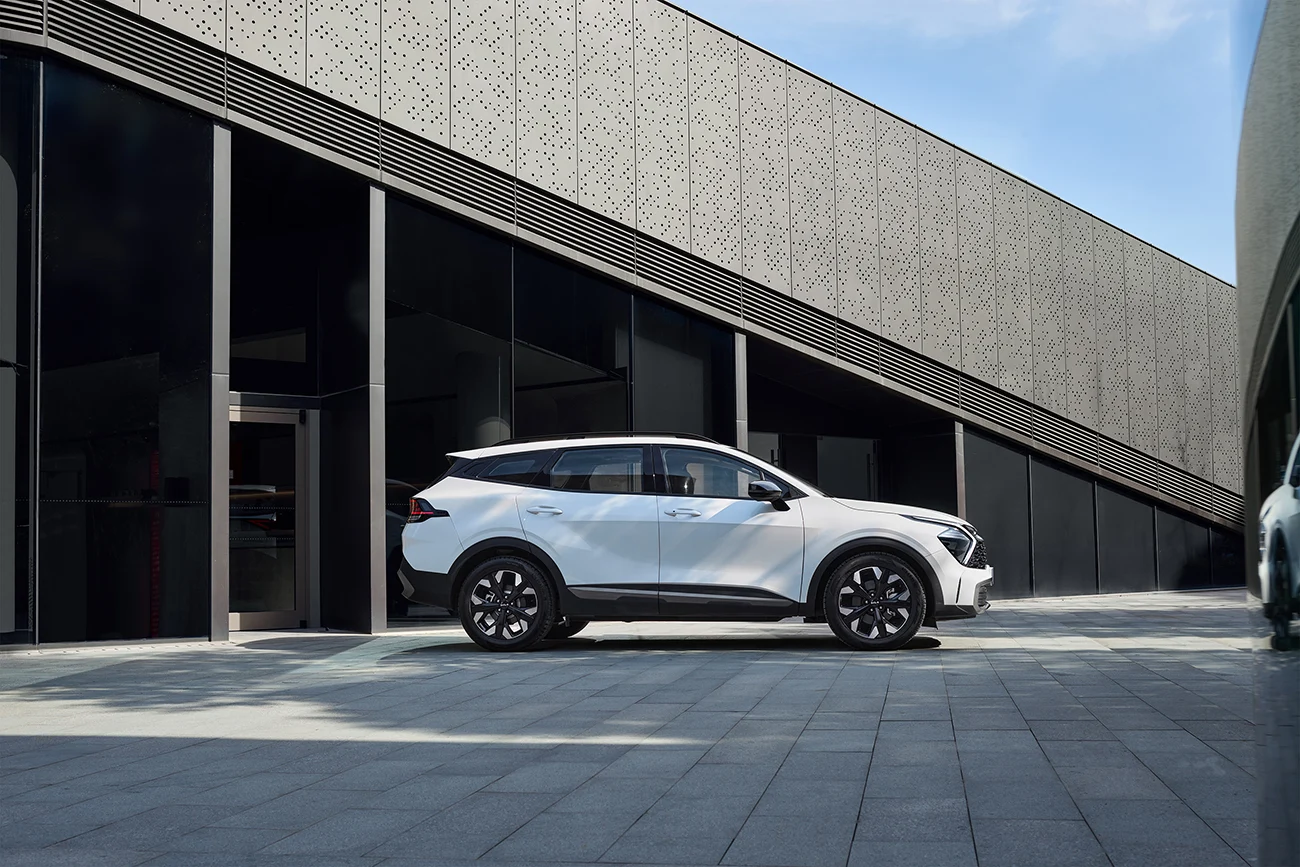
A confirmed all-wheel-drive system does not establish unlimited traction, towing suitability or off-road capability. Those questions involve the actual vehicle, equipment, condition and relevant manufacturer guidance. Avoid turning an AWD label into a promise about terrain or use that has not been assessed. A promotional photograph is not a capability test for the offered car.
Describe the customer's real requirement and ask the responsible parties to review it for the identified build. If a rated capability matters, obtain the appropriate source and its limits. Do not copy a figure from another Sportage version. The buying discussion should identify evidence needed for suitability rather than encourage unsupported assumptions about what any SUV can do.
The X-Line package value review keeps appearance and package value separate from proof of driven wheels or capability.
The driveway geometry assessment prevents AWD or styling from being presented as proof of ramp clearance.
Review condition with the appropriate scope
For a used candidate, agree an assessment suited to the installed drivetrain and the access available. Ask the assessor to describe observations, warning information and any relevant limitations. A short movement in a yard cannot establish every aspect of operation. Keep the report connected to the actual car and avoid describing checks that did not take place.
The inspection guide helps distinguish a finding from a proposed cause. If further work is recommended, ask what concern it addresses and how completion will be checked. Replacing a suspected part or clearing a warning does not automatically demonstrate that the drivetrain has been fully assessed or that an underlying issue has been resolved.
Consider tyres and service records together
Ask the appropriate provider to review relevant tyre condition and specifications alongside the vehicle's service information. Check compatibility and wear against the actual build and applicable service guidance. A useful report should identify what was observed and what action, if any, requires confirmation from a qualified service provider.
The service record guide organises prior work and present requirements. Missing records should lead to proportionate questions rather than an automatic failure claim. Likewise, a recent service invoice does not establish every component's current condition. Keep history, current observations and agreed preparation as distinct evidence that contributes to the overall purchase decision.
For an AWD candidate, the Sportage tyre-set buying review turns tyre photographs into a four-position record and a qualified replacement decision.
Compare cost and customer fit explicitly
Once both candidates are identified, compare their essential features, condition evidence and commercial scope. Do not assume a drivetrain premium reflects equivalent equipment or preparation. The quotation review helps expose exclusions and agreed work so the buyer sees what each amount actually covers.
Consider two Sportage offers that meet the same passenger requirement but differ in driven wheels. The dealer should verify both configurations and review whether the customer's stated use makes that difference essential. If it does not, another factor may determine the choice. Record the reasoning and any accepted compromise with the selected vehicle so later descriptions do not add a capability claim that the buyer never verified.